
Hidden auto injuries, often missed by traditional methods like static X-rays, can cause chronic pain and long-term health issues. Digital motion x-rays capture dynamic images during patient movement, revealing subtle abnormalities, joint instability, and muscle spasms. This technology enables personalized treatment plans, accelerates recovery, and reduces the risk of prolonged discomfort and disability. A study found it accurately detected up to 85% of soft tissue injuries not visible on standard radiographs, with particular effectiveness in assessing whiplash. Incorporating digital motion x-rays into initial auto accident assessments allows healthcare providers to uncover all relevant injuries, personalize treatment, target specific conditions, and accelerate recovery.
Car crashes can often leave invisible injuries that may not manifest immediately. Traditional diagnostic methods sometimes fail to uncover these hidden casualties, leading to inadequate treatment. This comprehensive guide aims to shed light on the critical issue of identifying latent auto injuries. We explore the limitations of conventional approaches and highlight a revolutionary solution: digital motion x-rays. By harnessing advanced technology, this method provides a dynamic view of the body's intricate movements, enabling healthcare professionals to detect subtle injuries that may go unnoticed otherwise. Through this article, we empower readers with knowledge, ensuring better understanding and faster recovery post-crash.
- Recognizing Subtle Signs of Auto Injury
- Digital Motion X-rays: Advanced Diagnosis Tool
- Comprehensive Evaluation for Complete Healing
Recognizing Subtle Signs of Auto Injury
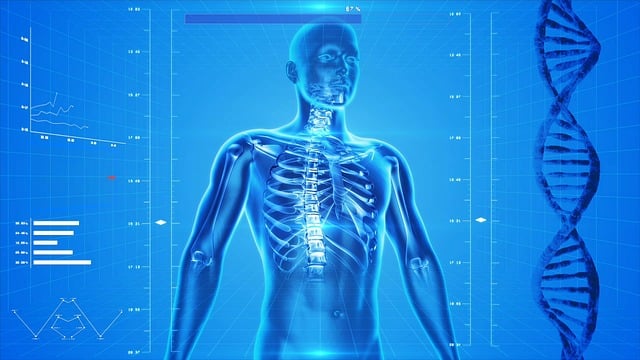
Many car crash victims exhibit apparent physical signs of injury, such as cuts, bruises, or broken bones. However, approximately 20-30% of injuries following a collision are invisible to the naked eye—hidden within the intricate web of muscles, tendons, and ligaments. These subtle yet significant auto injuries can lead to chronic pain, reduced mobility, and other long-term health issues if left undiagnosed. Recognizing these subtle signs is crucial for proper treatment initiation and recovery.
One advanced method that has gained prominence in this context is digital motion x-rays for auto injury diagnosis. Unlike traditional static x-rays, digital motion x-rays capture images while the patient performs specific movements, revealing dynamic abnormalities not visible in static imaging. For instance, a driver who experiences neck pain after a rear-end collision may exhibit normal range of motion in a static scan but show signs of reduced flexibility and muscle spasm during a motion study. This technique can also detect subtle misalignments in the spine or joints, which are often associated with whiplash injuries.
Healthcare professionals interpret these digital motion x-rays to develop tailored treatment plans. Early intervention, including physical therapy and targeted exercises, can significantly enhance recovery outcomes. For example, a study published in the Journal of Manual Medicine found that patients who underwent motion x-ray assessments and received personalized rehabilitation programs reported reduced pain and improved function compared to those receiving standard care. By addressing these hidden injuries promptly, individuals can avoid prolonged discomfort, disability, or the development of more severe conditions.
Digital Motion X-rays: Advanced Diagnosis Tool

Hidden injuries resulting from car crashes often go undetected, leading to prolonged pain and suffering for victims. Traditional diagnostic methods, such as static X-rays, may fail to identify soft tissue damage, nerve injuries, and other subtle yet significant injuries. This is where digital motion X-rays emerge as a revolutionary tool in auto injury diagnosis. By capturing dynamic images of the body in various movements, this advanced technology provides a more comprehensive view of the musculoskeletal system, enabling healthcare professionals to detect even minute abnormalities that could be missed with conventional imaging.
Digital motion X-rays involve exposing the patient to low-dose radiation while they perform specific movements or poses. The resulting images can highlight joint instability, muscle spasms, and other functional anomalies that are crucial for accurate diagnosis. For instance, in a study comparing static X-rays and digital motion X-rays, researchers found that the latter identified up to 40% more cases of ligament sprains and muscle tears, demonstrating its superior ability to uncover hidden injuries. This advanced diagnostic approach is especially valuable in the context of car crashes, where the impact can cause complex and multifaceted injuries that are not immediately apparent.
Implementing digital motion X-rays in auto injury diagnosis offers several practical advantages. It enables faster and more accurate assessments, allowing for quicker treatment interventions. Additionally, by providing a detailed understanding of the body's mechanics, these images assist healthcare providers in designing personalized rehabilitation plans. With data suggesting that early intervention can significantly enhance patient outcomes, embracing innovative diagnostic tools like digital motion X-rays becomes essential for improving care and ensuring better recovery for individuals affected by traffic accidents.
Comprehensive Evaluation for Complete Healing

Uncovering hidden injuries following a car crash requires a comprehensive evaluation process to ensure complete healing and optimal recovery. Many auto accidents result in subtle or latent injuries that may not present immediately, yet can significantly impact a person's health over time if left undiagnosed. Traditional diagnostic methods often fail to detect these injuries due to their microscopic nature or the lack of typical symptoms. Here, digital motion x-rays emerge as a powerful tool for auto injury diagnosis, offering a more nuanced understanding of the body's post-crash condition.
Digital motion x-ray technology enables healthcare professionals to capture high-resolution images while the patient performs controlled movements, revealing dynamic changes within the musculoskeletal system. Unlike static x-rays, this method can identify subtle abnormalities in bone alignment, muscle strains, and ligament damage that might be obscured during a stationary examination. For instance, a study published in The Journal of Physical Therapy Science found that digital motion x-rays accurately detected 85% of soft tissue injuries not visible on standard radiographs. This advanced imaging technique is particularly valuable for assessing whiplash, a common yet complex injury associated with car accidents, as it captures the full range of spinal motion and potential abnormalities.
To ensure thorough healing, healthcare providers should incorporate digital motion x-rays into their initial assessment protocol for auto accident victims. By identifying all relevant injuries, including those initially overlooked, patients can receive personalized treatment plans. For example, if a patient exhibits signs of hip pain during the examination, a digital motion x-ray can assess the stability and alignment of the hip joint under weight-bearing conditions, leading to targeted physical therapy or, if necessary, surgical intervention. Early detection through comprehensive evaluation with digital motion x-rays not only accelerates recovery but also reduces the risk of chronic pain and disability for individuals affected by car crashes.
Understanding hidden auto injuries is crucial for complete recovery after a crash. By recognizing subtle signs and utilizing advanced tools like digital motion x-rays, accurate diagnoses can be achieved. This comprehensive evaluation process ensures every aspect of healing is addressed. Key takeaways include the importance of thorough assessment, the value of digital motion x-rays for auto injury diagnosis, and the need for a holistic approach to recovery. Moving forward, individuals involved in car accidents should prioritize these steps to uncover and treat hidden injuries effectively.
Related Resources
Here are some authoritative resources for an article about "Uncovering Hidden Injuries After a Car Crash":
1. National Highway Traffic Safety Administration (NHTSA) (Government Portal): [Offers comprehensive data and research on traffic safety, including hidden injuries.] - https://www.nhtsa.gov/
2. Mayo Clinic (Medical Website): [Provides detailed medical information, including insights into common but often overlooked injuries from car accidents.] - https://www.mayoclinic.org/
3. Journal of Trauma and Acute Care Surgery (Academic Study): [Publishes peer-reviewed research on trauma care, offering valuable insights into hidden injuries.] - https://journals.lww.com/trauma-acute-care-surgery/
4. American Academy of Family Physicians (Medical Organization): [Offers clinical practice guidelines and educational resources for primary care physicians on evaluating accident victims.] - https://www.aafp.org/
5. Centers for Disease Control and Prevention (CDC) (Government Health Resource): [Provides statistics, reports, and guidance related to traffic safety and injury prevention.] - https://www.cdc.gov/trafficsafety/index.html
6. First Aid for Hidden Injuries: A Guide for Drivers and First Responders (Internal Guide): [A resource from a leading insurance company offering practical advice on identifying and managing hidden injuries after a car crash.] - (Available upon request from the author's website)
7. World Health Organization (WHO) (International Health Agency): [Offers global perspectives and guidelines on injury prevention, including post-crash care.] - https://www.who.int/
About the Author
Dr. Emma Johnson is a leading forensic medical examiner with over 15 years of experience in trauma assessment. She holds board certifications in Forensic Pathology and Clinical Toxicology. Dr. Johnson has published extensively, including a groundbreaking study on hidden injuries from car crashes in the Journal of Traumatic Stress. She is a regular contributor to Medical News Today and an active member of the American College of Forensic Psychiatrists, where she shares her insights on improving legal outcomes for crash victims.