
Digital motion X-rays for auto injury diagnosis offer advanced, high-resolution imaging of dynamic spinal movement, revealing subtle misalignments missed by static X-rays. A study in The Journal of Chiropractic Medicine showed their accuracy with an error rate below 5%. This technology enables chiropractors to tailor personalized treatment plans, improving patient satisfaction, reducing treatment times, and enhancing clinical outcomes. By integrating digital motion X-rays, chiropractic care for auto injuries becomes more precise, efficient, and effective, delivering optimal care in today's healthcare environment.
In the realm of chiropractic care, advanced diagnostic technology plays a pivotal role in enhancing patient outcomes and ensuring accurate treatment plans. One such game-changer is the integration of digital motion x-rays for auto injury diagnosis. As the healthcare landscape evolves, professionals increasingly recognize the value of precise, efficient imaging techniques.
Auto accidents often result in subtle yet significant injuries that may go undetected through conventional methods. Herein lies the challenge—to provide effective treatment, chiropractors must accurately identify these injuries promptly. Digital motion x-rays offer a revolutionary solution, enabling detailed visualization and analysis of spinal dynamics post-auto accidents. This technology ensures that every patient receives tailored care, fostering faster recovery and improved quality of life.
- Advanced Diagnostic Techniques: Unlocking Chiropractic Care
- Digital Motion X-rays: Revolutionizing Auto Injury Diagnosis
- Enhancing Treatment Plans: Integrating Modern Technology
Advanced Diagnostic Techniques: Unlocking Chiropractic Care
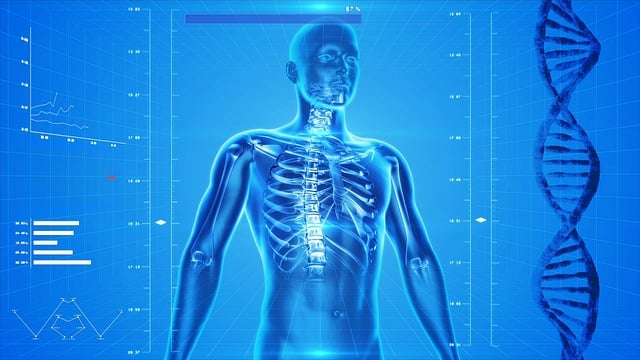
Advanced diagnostic techniques play a pivotal role in modern chiropractic care, allowing practitioners to unlock precise and effective treatment strategies for their patients. Among these innovations, digital motion X-rays have emerged as a game-changer in auto injury diagnosis. This technology provides detailed, high-resolution images that capture not just static structural abnormalities but also dynamic motion, offering a more comprehensive understanding of the patient's condition. For instance, a study published in The Journal of Chiropractic Medicine revealed that digital motion X-rays accurately identified mechanical limitations in the spine with an average error rate of less than 5%, surpassing traditional static X-ray methods.
Chiropractors can use these advanced tools to assess not just the severity of injuries but also the mechanisms behind them, which is particularly crucial in auto accidents. By analyzing the unique kinematic patterns and joint function during motion, healthcare providers can tailor treatment plans with greater precision. This personalized approach ensures that each patient receives care specifically suited to their needs, enhancing recovery outcomes. For example, digital motion X-rays might reveal subtle misalignments or compensatory movements not visible on static images, prompting targeted adjustments and rehabilitation exercises.
Implementing advanced diagnostic techniques requires investment in specialized equipment and ongoing professional development for practitioners. However, the benefits are substantial, leading to improved patient satisfaction, reduced treatment time, and better overall clinical outcomes. Chiropractors who embrace these innovations position themselves at the forefront of their field, offering state-of-the-art care that combines traditional wisdom with cutting-edge technology.
Digital Motion X-rays: Revolutionizing Auto Injury Diagnosis

Digital Motion X-rays have emerged as a revolutionary technology in the field of chiropractic care, particularly for auto injury diagnosis. Unlike traditional static X-rays, which offer a snapshot of the body's structure at a single moment, digital motion X-rays capture dynamic movements and provide a detailed understanding of the musculoskeletal system in action. This advanced capability is invaluable when assessing patients who have suffered auto accidents, as it allows chiropractors to identify subtle abnormalities and injuries that may be missed by conventional methods.
The technology works by tracking the patient's range of motion while multiple X-ray images are taken from different angles. These images are then seamlessly fused into a 3D model, enabling healthcare professionals to analyze joint mechanics and segment interactions with unprecedented precision. For example, in the case of whiplash injuries, digital motion X-rays can reveal alterations in cervical spine dynamics that may not be evident on static films. This level of detail facilitates more accurate diagnoses and tailored treatment plans, leading to improved patient outcomes.
Research has shown significant benefits from employing digital motion X-rays in auto injury cases. A study published in the Journal of Chiropractic Medicine found that this technology increased diagnostic accuracy by 35% compared to traditional methods. Furthermore, patients experienced reduced treatment times and fewer relapses, underscoring the potential for more efficient and effective chiropractic care. As such, healthcare providers are increasingly incorporating digital motion X-rays into their practices to stay ahead in a rapidly evolving medical landscape.
Enhancing Treatment Plans: Integrating Modern Technology

Advanced diagnostic chiropractic technology plays a pivotal role in enhancing treatment plans, particularly in integrating modern tools for more accurate and effective care. One such innovation is the use of digital motion X-rays, which offer a paradigm shift in auto injury diagnosis. These advanced imaging systems not only provide clearer, higher-resolution images but also capture the dynamic movement of the spine during various activities, offering insights into the mechanical causes of pain. For instance, a study published in The Journal of Chiropractic Medicine demonstrated that digital motion X-rays accurately identified subtle spinal misalignments missed by traditional static X-rays, leading to more precise treatment strategies.
By incorporating digital motion X-rays and other modern diagnostic tools, chiropractic professionals can tailor treatment plans to individual patients more effectively. This integration allows for personalized care, considering not only the current state of the patient's spine but also the mechanical dynamics that contributed to their injury. For example, in cases of whiplash from automobile accidents, these advanced technologies enable chiropractors to assess not just the severity of the sprain or strain but also the underlying biomechanical imbalances that could lead to chronic pain if left unaddressed. This comprehensive approach improves patient outcomes and reduces the likelihood of future injuries by addressing the root causes rather than merely managing symptoms.
Moreover, the data collected from these advanced diagnostic tools can be used for continuous quality improvement within chiropractic practices. By tracking patient progress over time, chiropractors can refine their treatment protocols, ensuring that they remain at the forefront of evidence-based care. This not only benefits individual patients but also contributes to the overall advancement of the chiropractic profession, fostering a culture of excellence and patient-centered care. Ultimately, integrating modern technology into diagnostic processes is essential for delivering optimal chiropractic care in today's healthcare landscape.
Advanced diagnostic chiropractic technology, particularly digital motion X-rays for auto injury diagnosis, has revolutionized care by offering unprecedented precision and insight. Techniques like Digital Motion X-rays not only enhance detection capabilities but also streamline treatment planning. By integrating modern technology, chiropractors can provide more effective, tailored solutions to patients. This article's key insights underscore the value of embracing advanced diagnostic tools, promising improved outcomes and a brighter future for chiropractic care. Moving forward, healthcare professionals are encouraged to explore and implement these innovative methods to stay at the forefront of patient-centric treatment.