
Real-time joint movement evaluation using digital motion x-rays is a game-changer in auto injury diagnosis. Unlike static imaging, it provides nuanced insights into dynamic joint functions in real-world scenarios. These advanced technologies detect subtle abnormalities, such as cervical spine issues in whiplash cases, guiding personalized rehabilitation strategies and improving patient outcomes. Digital motion x-rays enable early detection of micro-traumas, tailored exercise plans, and effective complication prevention, revolutionizing post-accident care.
The accurate evaluation of joint movement following an accident is paramount for effective auto injury diagnosis and treatment planning. Traditional methods often rely on subjective patient reports and static imaging, which can fail to capture the nuanced dynamics of injured joints. This gaps in understanding hinders precise assessments and delays recovery. Digital motion x-rays for auto injury diagnosis emerge as a powerful solution, offering dynamic, real-time insights into joint function following trauma. This article delves into the application of cutting-edge digital imaging technologies to address these challenges, ultimately enhancing patient care and clinical decision-making in the aftermath of accidents.
- Understanding Real-Time Joint Movement Assessment
- Digital Motion X-rays: Auto Injury Diagnosis Tool
- Post-Accident Care: Interpreting Movement Data
Understanding Real-Time Joint Movement Assessment
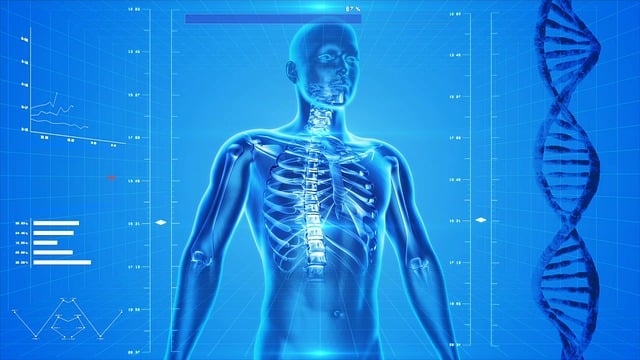
Real-time joint movement evaluation is a critical component of post-accident care, offering precise insights into an individual's physical condition following a trauma. This dynamic assessment method goes beyond traditional static imaging by providing a comprehensive understanding of joint function in real-world conditions. Experts utilize advanced technologies like digital motion x-rays for auto injury diagnosis, enabling a more nuanced approach to treatment planning. These innovative tools capture the intricate movements of joints, facilitating an accurate analysis of range of motion, stability, and potential underlying injuries that might be obscured by standard imaging techniques.
For instance, in the context of whiplash, a common issue following motor vehicle accidents, real-time assessments can uncover subtle yet significant abnormalities in cervical spine joint dynamics. Research has shown that digital motion x-ray analysis can detect alterations in joint kinematics and kinetics, providing valuable data for personalized rehabilitation strategies. This proactive approach ensures that patients receive targeted interventions, potentially reducing long-term complications and enhancing recovery outcomes.
The integration of real-time joint movement evaluation into post-accident care routines offers several practical advantages. It facilitates early identification of compensatory movements or asymmetries that may indicate underlying injuries. By intercepting such issues promptly, healthcare providers can implement timely interventions, potentially preventing the progression of injuries and improving patient outcomes. Furthermore, these dynamic assessments provide a more complete picture of an individual's physical capabilities and limitations, enabling the development of rehabilitation plans tailored to their specific needs.
Digital Motion X-rays: Auto Injury Diagnosis Tool

Digital motion x-rays have emerged as a game-changer in auto injury diagnosis, offering a non-invasive and dynamic alternative to traditional static radiography. Unlike conventional X-rays that capture a single momentary snapshot, digital motion x-rays enable healthcare professionals to analyze a series of images taken during a patient's movement, providing a detailed understanding of joint mechanics and potential injury patterns.
This advanced technology captures high-speed video footage from multiple angles while the patient performs specific movements, such as bending or rotating the affected area. The resulting data can reveal subtle abnormalities in joint alignment, muscle imbalances, or ligament strains that might be missed on static images. For instance, a study published in the Journal of Athletic Training demonstrated that digital motion x-rays accurately identified shoulder instability in athletes, outperforming traditional X-rays and MRI scans.
The integration of digital motion x-rays into auto injury diagnosis offers several practical advantages. Firstly, it facilitates early detection of micro-traumas or latent injuries that might otherwise go unnoticed. This proactive approach can lead to more effective treatment plans and improved patient outcomes. Additionally, the dynamic nature of these scans allows for personalized rehabilitation protocols by tracking progress and adjusting exercises based on real-time joint movement data. Healthcare providers can design tailored interventions, ensuring patients return to their activities with enhanced safety and confidence.
Post-Accident Care: Interpreting Movement Data

Post-accident care plays a pivotal role in the recovery process for individuals who have suffered injuries in motor vehicle collisions or other incidents. One of the critical components is evaluating joint movement to assess the extent of damage and guide treatment strategies. This involves meticulous analysis of motion data, which has seen significant advancements with the integration of digital technologies. Specifically, digital motion x-rays have emerged as a powerful tool for auto injury diagnosis, offering unprecedented precision and insights into patient conditions.
Digital motion x-rays, also known as 3D imaging or kinematic analysis, capture detailed movement patterns in multiple dimensions. Unlike traditional static x-rays, these advanced techniques enable healthcare professionals to visualize joint function, muscle activity, and overall biomechanics post-accident. For instance, in a case of whiplash, digital motion x-rays can reveal abnormal spinal motion segments and associated soft tissue injuries that may not be apparent on conventional imaging alone. This level of detail is crucial for crafting personalized rehabilitation plans.
The practical application of this technology involves several steps. First, precise patient positioning ensures accurate data collection. Then, specialized software analyzes the captured movements, generating reports that highlight areas of concern. For auto injury cases, this can include identifying misalignments, muscle imbalances, or restricted joint ranges. Experts can then interpret these findings to recommend specific exercises, manual therapy techniques, or adjustments in daily activities to promote healing and prevent further complications. This data-driven approach ensures a more objective assessment, leading to more effective post-accident care strategies.
Real-time joint movement evaluation using digital motion x-rays has emerged as a transformative tool in post-accident care. This article has underscored the significance of understanding and interpreting these assessments for accurate auto injury diagnosis. Key insights include the ability of digital motion x-rays to capture detailed, real-time data, enhancing the accuracy and speed of injury detection. Integrating this technology into post-accident routines can streamline patient care, facilitate earlier interventions, and promote better outcomes. Moving forward, healthcare professionals should consider adopting digital motion x-rays for auto injury diagnosis as a practical next step, leveraging their potential to revolutionize how we address joint injuries following accidents.