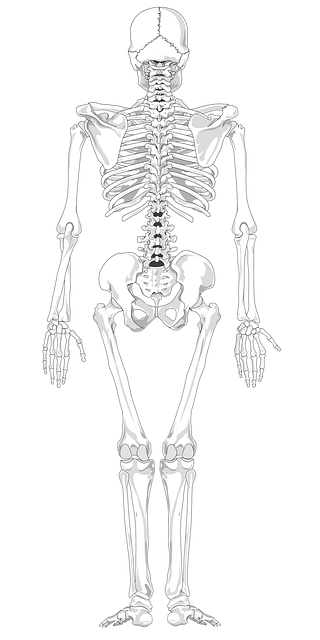
Spine injuries from trauma or falls can have lasting impacts, with traditional imaging like X-rays often missing soft tissue issues and subtle fractures. Digital motion X-rays offer real-time, high-resolution imaging for auto injury diagnosis, enhancing accuracy and speed in identifying spinal abnormalities, shifts, and potential complications early on, improving treatment planning for conditions such as herniated discs, fractures, or misalignments. However, these technologies face challenges including cost, patient positioning, radiation exposure, and need for specialized personnel.
In the realm of medical advancements, real-time imaging plays a pivotal role in detecting spine injuries, offering a more accurate and efficient diagnosis than traditional methods. This article delves into the world of spine injuries, their significant impact on patients' lives, and how digital motion X-rays are revolutionizing auto injury diagnosis. We explore the benefits and challenges of real-time imaging while shedding light on its potential to transform emergency care.
- Understanding Spine Injuries and Their Impact
- Digital Motion X-rays: Revolutionizing Diagnosis
- Benefits and Challenges of Real-time Imaging
Understanding Spine Injuries and Their Impact
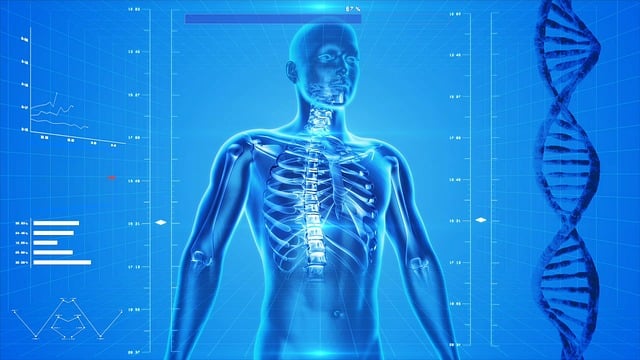
Spine injuries, often resulting from trauma or accidental falls, can have significant and long-lasting effects on individuals' lives. These injuries encompass a wide range of conditions, from mild muscle strains to severe fractures and spinal cord damage. Prompt and accurate diagnosis is crucial for effective treatment and rehabilitation. Traditional imaging techniques, such as X-rays, are valuable tools but often struggle to capture the complexity of spine injuries, especially those involving soft tissues or subtle fractures.
In today's digital era, advancements in technology have led to innovative solutions like digital motion X-rays, which offer real-time imaging capabilities. This technique enables healthcare professionals to visualize spinal abnormalities with unprecedented clarity and precision. By capturing multiple images over time, it becomes possible to assess the stability of the spine, identify subtle shifts, and even detect signs of developing complications, ultimately enhancing the accuracy and speed of auto injury diagnosis and treatment planning.
Digital Motion X-rays: Revolutionizing Diagnosis

Digital Motion X-rays represent a groundbreaking advancement in medical imaging, particularly for the early detection and diagnosis of spine injuries. Unlike traditional static X-rays, this technology captures multiple images over time, allowing healthcare professionals to analyze spinal motion and identify subtle abnormalities that might be missed with conventional methods. By integrating real-time data, doctors can more accurately assess conditions like herniated discs, fractures, or misalignments, leading to faster and more effective treatment plans for auto injury patients.
The benefits of Digital Motion X-rays for auto injury diagnosis are significant. They enhance the sensitivity and specificity of initial assessments, enabling prompt interventions that can significantly improve patient outcomes. This innovative approach leverages modern sensor technology and advanced software algorithms to provide dynamic insights into spinal health, transforming how healthcare providers manage spine-related injuries in a clinical setting.
Benefits and Challenges of Real-time Imaging

Real-time imaging technologies, such as digital motion X-rays, offer significant advantages in the field of spine injury detection. One of the key benefits is their ability to capture dynamic and high-resolution images, enabling more accurate assessments than static X-rays. This capability is particularly valuable for evaluating spinal cord injuries, disc herniations, or fractures that may not be evident in traditional imaging methods. By visualizing the spine under movement, healthcare professionals can gain a better understanding of the patient's condition, leading to more effective treatment planning and improved outcomes.
Despite these advantages, real-time imaging also presents several challenges. The technology requires specialized equipment, which can be costly and may limit accessibility, especially in resource-constrained settings. Additionally, proper patient positioning and stabilization are crucial to ensure clear images, adding complexity to the examination process. There's also the concern of radiation exposure, though advanced techniques aim to minimize this risk while maintaining image quality. Moreover, interpreting real-time imaging results requires specialized knowledge and training, demanding a dedicated workforce with expertise in these novel methods.
Real-time imaging technologies, particularly Digital Motion X-rays, are transforming spine injury detection by offering faster, more accurate diagnoses. This non-invasive method enables healthcare professionals to visualize spinal movements and identify subtle abnormalities associated with auto injuries. While challenges remain, such as cost and radiation exposure, the benefits of digital motion x-rays for auto injury diagnosis are undeniable, promising improved patient outcomes and enhanced clinical decision-making in the future.