
Digital motion x-rays transform auto injury diagnosis, particularly whiplash, by capturing dynamic spinal movement, revealing subtle misalignments missed in static X-rays. This advanced technology enables healthcare professionals to accurately identify and address misalignments, guiding personalized treatment plans for optimal patient recovery.
Whiplash, a common injury following car accidents, can be challenging to detect without advanced imaging techniques. Traditional X-rays often miss its subtle signs. Here, we explore how digital motion x-rays emerge as a revolutionary tool in auto injury diagnosis. This innovative technology offers an accurate, non-invasive method to identify whiplash, providing crucial insights for effective treatment and rehabilitation. By understanding the impact of whiplash and leveraging digital motion x-rays for auto injury diagnosis, healthcare professionals can ensure better patient outcomes.
- Understanding Whiplash and its Impact
- Digital Motion X-rays: A Revolutionary Tool
- Accurate Diagnosis: Benefits and Process
Understanding Whiplash and its Impact

Whiplash, a common injury resulting from car accidents, affects the soft tissues of the neck and back, including muscles, ligaments, and nerves. It occurs when the head suddenly jolts forward and backward or side to side due to impact, causing strain and potential damage to these structures. While traditional X-rays may not always reveal whiplash injuries as they primarily visualize bone fractures, digital motion x-rays for auto injury diagnosis offer a more comprehensive view.
This advanced imaging technique captures detailed images of the body in motion, allowing healthcare professionals to assess the range of motion and identify abnormalities that could indicate whiplash. By evaluating how the spine moves during specific activities, doctors can detect subtle misalignments or spasms that may not be apparent on static X-rays. Digital motion x-rays enable accurate diagnosis, guiding effective treatment plans for auto injury victims, ensuring optimal recovery from whiplash.
Digital Motion X-rays: A Revolutionary Tool
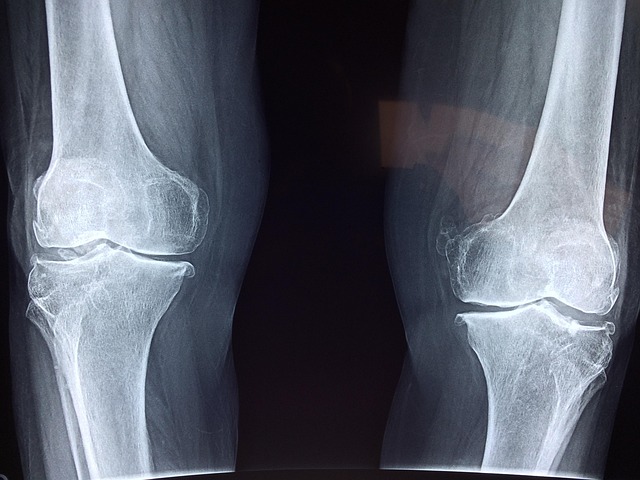
Digital motion x-rays are transforming the way auto injuries, particularly whiplash, are diagnosed. This advanced technology goes beyond static imaging, capturing detailed videos of a patient's spine as they move, allowing for a more nuanced understanding of the impact and subsequent damage. By simulating real-life movements, such as bending forward or turning the head, healthcare professionals can identify subtle misalignments or abnormalities that might be missed with traditional static x-rays.
This innovative approach offers several advantages in the diagnosis of whiplash and other auto-related injuries. It enables doctors to assess not just the severity of the initial impact but also the developing complications and compensatory mechanisms within the body over time. With its ability to provide dynamic, three-dimensional data, digital motion x-rays serve as a powerful tool for creating personalized treatment plans that address the unique needs of each patient, ultimately enhancing recovery outcomes in auto injury cases.
Accurate Diagnosis: Benefits and Process

Accurately diagnosing whiplash, a common yet complex injury often associated with car accidents, has seen significant advancements through the integration of digital motion x-rays in auto injury assessment. Unlike traditional static x-rays, which capture a single moment, digital motion x-rays offer a dynamic view by tracking spinal movement and identifying subtle misalignments or abnormalities. This technology enables healthcare professionals to make more precise diagnoses, especially for whiplash, where early detection is key to effective treatment.
The process involves capturing high-resolution images of the spine during various movements, allowing doctors to analyze the patient's range of motion and identify any discrepancies indicative of whiplash. By assessing these digital x-rays, healthcare providers can quickly rule out other potential causes, ensuring an accurate diagnosis and enabling them to develop tailored treatment plans for optimal recovery.
Digital motion x-rays have revolutionized auto injury diagnosis, particularly for detecting whiplash. By providing dynamic images that capture spinal movement, these advanced tools offer a more accurate assessment than traditional static X-rays. This benefits patients by enabling quicker and more effective treatment plans, ultimately leading to faster recovery times. For those seeking reliable and modern diagnostic approaches, digital motion x-rays are an invaluable asset in managing auto injuries.