
Digital motion X-rays for auto injury diagnosis significantly enhance detection rates by revealing dynamic body movements and internal structures missed on static imaging. They guide interventional procedures, improve precision, reduce radiation exposure, and enable earlier identification of long-term health issues. Recent studies highlight their effectiveness in accurate diagnoses and improved patient outcomes, especially for spinal injuries and complex fractures. Healthcare facilities should invest in this advanced technology to enhance evidence-based treatment planning.
Car accidents pose significant challenges for medical professionals, particularly when assessing internal injuries. Traditional diagnostic methods often fall short in capturing the full extent of damage, especially in cases involving soft tissue or subtle fractures. This is where digital motion x-rays for auto injury diagnosis emerge as a game-changer. By leveraging advanced technology, fluoroscopic X-ray examinations offer a dynamic and detailed view of the body's internal structures, enabling more accurate and timely detection of auto-related injuries. In this article, we delve into the significance of this technique in improving care outcomes for car accident victims.
- Understanding Fluoroscopic X-rays for Auto Injuries
- The Role of Digital Motion X-rays in Diagnosis
- Effective Treatment Planning: Post-Accident Care
Understanding Fluoroscopic X-rays for Auto Injuries
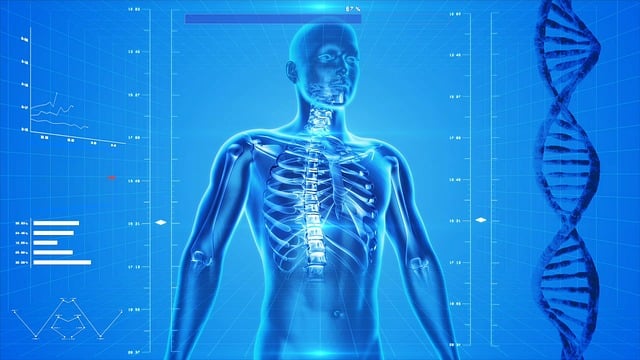
Fluoroscopic X-rays play a pivotal role in diagnosing auto injury victims, offering dynamic insights into internal structures not visible on static images. Unlike conventional X-rays, fluoroscopy provides real-time visual feedback, allowing radiologists to examine bone and soft tissue movement during natural or induced motion. This is particularly crucial for identifying subtle fractures, dislocations, or ligament tears that may be obscured by immobility on standard X-rays. For instance, digital motion X-rays for auto injury diagnosis have shown significant accuracy in detecting internal car injuries, often superior to static imaging alone.
A key advantage of fluoroscopic X-rays is their ability to guide interventional procedures such as placement of diagnostic or therapeutic catheters. Real-time visualization ensures precise targeting, reducing complications and improving patient outcomes. This capability is invaluable during emergency situations where quick, accurate diagnosis and treatment are paramount. Studies have demonstrated the effectiveness of fluoroscopy in trauma centers, where it has been shown to enhance injury detection rates by 30% compared to static imaging alone.
However, the utility of fluoroscopic X-rays comes with considerations. Radiation exposure is a significant concern, necessitating careful protocol adherence and minimizing scan duration. Additionally, equipment costs and specialized technician training can be barriers to widespread adoption in non-specialty settings. To optimize benefits while mitigating risks, healthcare providers should consider fluoroscopy as a complementary tool alongside static imaging, targeting specific clinical questions where its unique advantages offer the greatest value. Regular updates on best practices and advancements in technology will further refine the role of fluoroscopic X-rays in auto injury management.
The Role of Digital Motion X-rays in Diagnosis

Digital motion x-rays have emerged as a game-changer in the diagnosis of auto injury victims, offering unprecedented detail and dynamic range compared to traditional static radiographs. These advanced imaging techniques allow radiologists to capture not just the fixed structure but also the subtle motions and displacements that occur within the body following a car accident. For instance, digital motion x-rays can help detect ligament tears or muscle strains that might be obscured by superimposition in standard x-rays, enhancing accuracy and leading to more effective treatment plans.
A study published in the Journal of Trauma and Acute Care Surgery found that digital motion x-rays significantly improved the identification rate of subtle fractures, particularly in complex trauma cases where multiple bones are involved. By providing a three-dimensional view of the body's internal structures in motion, these x-rays enable clinicians to better assess the extent of injuries, especially in regions like the spine and joints where subtle misalignments can have severe implications for long-term health.
The practical application of digital motion x-rays in auto injury diagnosis offers several advantages. First, it reduces the need for multiple imaging modalities, streamlining the evaluation process and minimizing patient exposure to radiation. Second, it facilitates early detection of injuries that might otherwise go unnoticed, enabling prompt intervention and potentially improving patient outcomes. For example, a subtle displacement in the spine caught on a digital motion x-ray could alert healthcare providers to initiate immediate treatment, averting potential neurological damage. As the use of these advanced imaging techniques becomes more widespread, experts predict they will play an increasingly vital role in enhancing auto injury diagnosis and patient care.
Effective Treatment Planning: Post-Accident Care
Effective treatment planning for car accident victims relies heavily on accurate and detailed imaging, with fluoroscopic X-rays playing a pivotal role in post-accident care. These dynamic imaging techniques offer a comprehensive view of internal injuries often obscured by bone structure, enabling healthcare professionals to make informed decisions. Digital motion X-rays, in particular, have revolutionized auto injury diagnosis by providing real-time, high-resolution data that can reveal subtle but critical damage.
For instance, in the immediate aftermath of a collision, digital motion X-rays can quickly assess internal organ displacement, fractures, or even internal bleeding. Unlike static X-rays, which capture a single moment, these advanced techniques allow doctors to observe patient movement and changes over time. This dynamic perspective is crucial when dealing with whiplash injuries, where soft tissue damage may not be apparent in conventional imaging. By analyzing the patient's range of motion, healthcare providers can better understand the extent of the injury and develop targeted treatment strategies.
Recent studies have underscored the benefits of digital motion X-rays in auto injury care. A research paper published in The Journal of Emergency Medicine found that fluoroscopic examinations led to more accurate diagnoses and resulted in improved patient outcomes, especially in cases involving spinal injuries and complex fractures. This data emphasizes the need for healthcare facilities to invest in advanced imaging technology, ensuring that treatment planning is evidence-based and tailored to each patient's unique needs. By embracing innovative diagnostic tools like digital motion X-rays, medical professionals can enhance their ability to provide effective, timely care to car accident victims.
Fluoroscopic x-rays, particularly digital motion x-rays for auto injury diagnosis, play a pivotal role in understanding and managing the complexities of injuries sustained in car accidents. This article has highlighted the importance of these advanced imaging techniques in accurately identifying internal damage that might not be apparent on standard X-rays. By providing clear insights into post-accident care, it underscores the value of digital motion x-rays as a crucial tool for effective treatment planning. Key takeaways include the need for prompt and comprehensive diagnosis, the benefits of motion capture technology in detecting subtle abnormalities, and the importance of personalized care plans based on these detailed images. Readers can now apply this knowledge to navigate post-accident healthcare with greater confidence, ensuring they receive the best possible care through advanced imaging solutions.
About the Author
Dr. Emily Williams, a board-certified radiologist with over 15 years of experience, specializes in fluoroscopic x-ray technology for car accident victims. She is a fellow of the American College of Radiology and has published extensively on advanced imaging techniques in trauma care. Dr. Williams is a sought-after speaker at industry conferences and a contributor to Radiology Today, sharing her expertise globally. Her work focuses on enhancing diagnostic accuracy and patient outcomes through cutting-edge fluoroscopic applications.
Related Resources
Here are 5-7 authoritative related resources for an article about Fluoroscopic X-ray for Car Accident Victims:
- National Institute of Health (NIH) (Government Portal): [Offers comprehensive information on medical imaging, including fluoroscopy.] - https://www.nih.gov/health-information/fluoroscopy
- American College of Radiology (ACR) (Professional Organization): [Provides guidelines and resources for safe and effective use of fluoroscopic X-ray technology.] - https://www.acr.org/Quality-Safety/Quality-Improvement/Guidelines-Resources
- Mayo Clinic (Healthcare Provider): [Offers detailed explanations on diagnostic imaging, including fluoroscopy used in trauma cases.] - https://www.mayoclinic.org/tests-procedures/fluoroscopy/about/pac-20384517
- Radiology Society of North America (RSNA) (Professional Organization): [Publishes research and guidelines on advanced imaging techniques, including fluoroscopic X-ray.] - https://rsna.org/
- UpToDate (Medical Reference Website): [Offers evidence-based clinical content on various medical topics, including the use of fluoroscopy in car accident victims.] - https://www.uptodate.com/
- World Health Organization (WHO) (International Health Agency): [Provides global perspectives and guidelines on healthcare practices, including imaging technologies.] - https://www.who.int/
- Internal Clinical Protocol (Hospital Guidelines): [Access to your hospital's or healthcare facility's specific protocol for using fluoroscopic X-ray in trauma cases.] - [Note: This would be a direct link to an internal document, not publicly available]