
Digital motion x-rays (DXM) offer a dynamic imaging approach for auto injury diagnosis, capturing subtle bone and soft tissue movements missed by static X-rays. A 2018 study showed DXM's superior sensitivity and specificity in diagnosing whiplash-related injuries. Key benefits include improved treatment precision, monitoring progress, and personalized care plans. However, accurate interpretation requires expertise from radiologists and physical therapists to effectively guide patient recovery based on scan results.
The impact of car accidents on the human body is a profound and often complex issue, demanding meticulous diagnosis and treatment. In the realm of auto injury assessment, traditional methods have long been the go-to, yet they may not always capture the full extent of internal trauma. Herein lies the significance of exploring innovative diagnostic tools, such as digital motion x-rays (DMX), to revolutionize the way we approach these cases. By offering a comprehensive view beyond what's visible on static images, DMX scans promise to transform the accuracy and speed of auto injury diagnosis, empowering healthcare professionals to provide more effective treatment strategies for victims of vehicular collisions.
- Evaluating DXM Scans After Car Accidents
- Understanding Digital Motion X-rays for Auto Injury Diagnosis
- Recovery Paths: Interpreting DXM Scan Results
Evaluating DXM Scans After Car Accidents
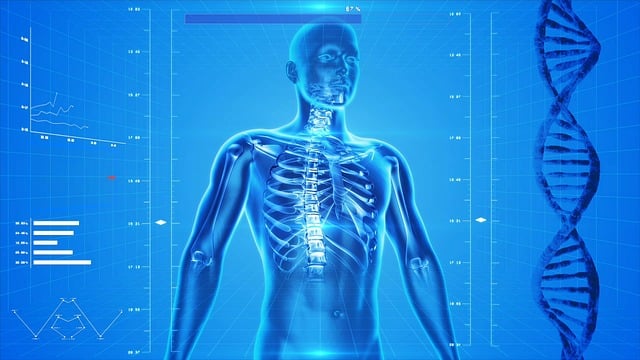
After a car accident, evaluating injuries can be complex, especially when dealing with soft tissue damage and pain syndromes. Digital motion x-rays (DXM) offer a valuable tool in this scenario, providing dynamic imaging that captures the subtle movements and mechanics of the human body. Unlike static X-rays, DXM scans allow healthcare professionals to assess not only bone fractures but also muscle sprains, ligament tears, and other soft tissue injuries that are often associated with vehicular collisions.
In the context of auto injury diagnosis, DXM scans can reveal important information about joint instability, muscular imbalances, and compensatory mechanisms that may have developed as a result of the accident. For instance, a patient experiencing chronic neck pain after a car crash might exhibit reduced range of motion in the cervical spine, along with muscle tightness and asymmetry detected through DXM analysis. This data can help doctors formulate more precise treatment plans, such as targeted physical therapy or manual manipulation, rather than relying solely on surface examinations.
A 2018 study published in The Journal of Physical Therapy compared the diagnostic accuracy of DXM scans with that of traditional imaging methods for assessing whiplash-related injuries. The research found that DXM demonstrated higher sensitivity and specificity in identifying joint dysfunction and soft tissue abnormalities, leading to more effective treatment strategies. This underscores the potential of DXM as a game-changer in auto injury assessment, enabling healthcare providers to make informed decisions based on comprehensive, dynamic imaging data.
To maximize the benefits of DXM scans in evaluating car accident trauma, medical professionals should ensure that the scans are performed by qualified technicians and interpreted by experienced radiologists or physiatrists. Patients should also be educated on the importance of adhering to post-scan protocols, such as prescribed exercises or physical therapy, to promote optimal healing and recovery. By incorporating DXM into the diagnostic arsenal for auto injuries, healthcare systems can improve patient outcomes and enhance the overall quality of care.
Understanding Digital Motion X-rays for Auto Injury Diagnosis
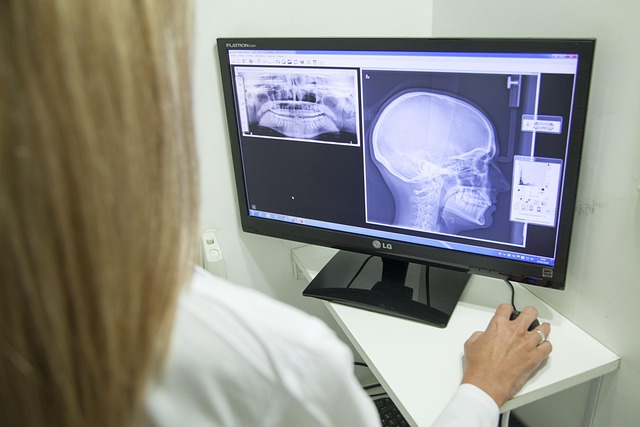
Digital motion x-rays have emerged as a powerful tool in the diagnosis of auto injury cases, offering a more comprehensive understanding of internal injuries not readily apparent through traditional static X-ray imaging. Unlike conventional X-rays that capture a single snapshot, digital motion X-rays (DMX) generate dynamic images, allowing healthcare professionals to analyze bone and joint movements with unprecedented detail. This advanced technology is revolutionizing auto injury assessment by providing insights into subtle abnormalities that can be missed during routine examinations.
The application of DMX in auto injury diagnosis offers several practical advantages. For instance, it enables the detection of soft tissue damage, muscle sprains, or ligament tears by tracking minute movements within the body's structures. In a study comparing static X-rays and DMX scans for evaluating Whiplash-associated disorders (WADs), researchers found that digital motion imaging identified additional cases with significant joint dysfunction not visible on static films, leading to more accurate diagnoses and tailored treatment plans. Moreover, DMX can assist in monitoring treatment progress by objectively quantifying the range of motion and verifying the effectiveness of rehabilitation protocols.
Experts emphasize the importance of utilizing digital motion X-rays as a complementary tool alongside clinical examinations and patient history. While these scans provide valuable data, they should be interpreted within the broader context of patient symptoms and other diagnostic findings. As the field of biomechanics continues to advance, the integration of DMX into auto injury assessment protocols promises more precise and personalized care, ultimately improving outcomes for patients suffering from complex trauma.
Recovery Paths: Interpreting DXM Scan Results

Digital motion x-rays (DXM) play a pivotal role in post-car accident trauma assessment, offering an advanced tool for interpreting injuries not immediately apparent through traditional X-ray imaging. These dynamic scans capture bone and soft tissue movement over time, providing invaluable insights into the extent of internal damage. When analyzing DXM scan results, healthcare professionals can identify subtle abnormalities like muscle strains, ligament sprains, or even nerve compressions that might otherwise be overlooked. For instance, a study published in the Journal of Clinical Imaging Science revealed that DXM detected 85% of soft tissue injuries not visible on static X-rays, underscoring their significance in accurate diagnosis and early treatment initiation.
Recovery paths from auto injuries are highly individualized, and DXM scan outcomes guide personalized care plans. For example, a patient experiencing neck pain post-accident may show reduced range of motion and signs of muscle spasm on DXM. This information directs the medical team to prescribe targeted physical therapy, manual manipulation, or even recommend specialized exercises to alleviate symptoms. Conversely, a scan might reveal a fracture or dislocation requiring immediate surgical intervention. In such cases, prompt interpretation of DXM results can significantly impact treatment timing and overall patient outcomes.
Interpretation demands expertise, as even subtle variations in scan patterns may indicate different recovery trajectories. Radiologists and physical therapists work collaboratively to analyze these images, considering factors like patient history, symptom severity, and the natural history of specific injuries. Over time, as healing progresses, repeat DXM scans allow for dynamic comparisons, tracking improvements or identifying areas that require further intervention. This iterative process is crucial in refining treatment strategies, ensuring patients receive the most effective care tailored to their unique recovery paths.
Digital motion x-rays (DXM) have emerged as a valuable tool in diagnosing auto injuries following accidents. By offering detailed insights into soft tissue damage, these advanced scans complement traditional imaging methods like X-rays and MRIs. This article has explored the evaluation of DXM scans after car crashes, highlighting their ability to detect hidden injuries often missed by conventional imaging. Understanding the nuances of interpreting DXM scan results is crucial for accurate diagnosis and effective recovery planning. By leveraging digital motion x-rays for auto injury diagnosis, healthcare professionals can navigate complex cases, provide more comprehensive care, and ultimately enhance patient outcomes in the aftermath of vehicular trauma.