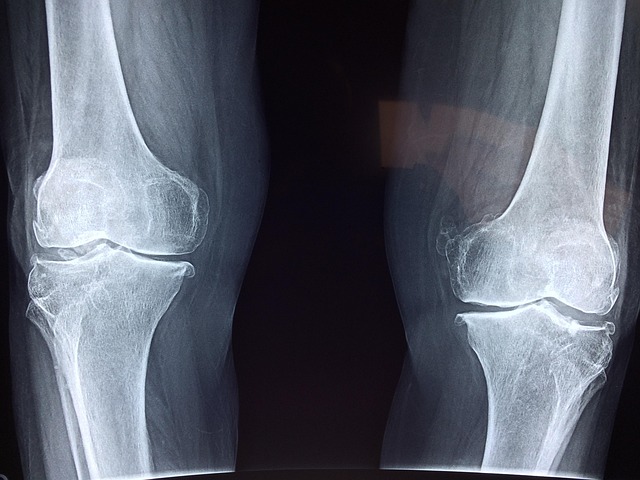
Digital motion X-rays offer dynamic, real-time imaging for auto injury diagnosis, revealing subtle abnormalities in bones, muscles, and soft tissues that static X-rays miss. They enhance detection of fractures, dislocations, internal bleeding, and muscle strains, leading to improved treatment plans and patient outcomes. This technology is crucial in complex car accident scenarios, reducing wait times, costs, and enhancing patient comfort, ultimately contributing to better healthcare quality and efficiency.
Car accidents can cause complex and often invisible injuries, posing significant challenges for accurate diagnosis. Traditional imaging methods may not always capture the full extent of damage, leading to misdiagnoses and delayed treatment. However, digital motion x-rays have emerged as a game-changer in auto injury diagnosis, offering unprecedented detail and dynamic range. This authoritative piece delves into the application of fluoroscopic x-ray technology, exploring how its real-time capabilities enhance detection and assessment, ultimately improving patient outcomes and ensuring more effective care for car accident victims.
- Understanding Fluoroscopic X-rays for Auto Injuries
- Digital Motion X-rays: Advanced Diagnosis in Car Accidents
- Effective Treatment Planning with Fluoroscopic Imaging
Understanding Fluoroscopic X-rays for Auto Injuries
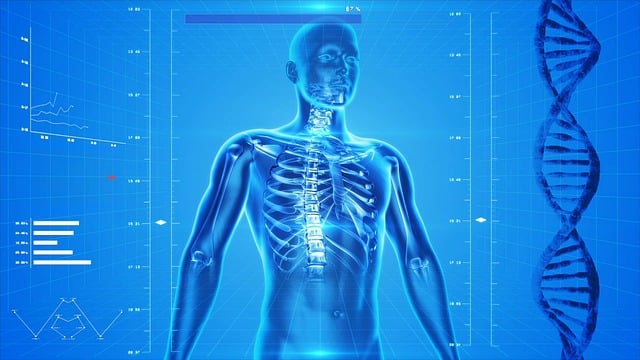
Fluoroscopic X-rays, particularly digital motion X-rays for auto injury diagnosis, play a pivotal role in understanding and treating injuries resulting from car accidents. These advanced imaging techniques capture dynamic, real-time data of the human body during movement, providing insights that static X-rays often cannot. In the context of auto injuries, where complex trauma can affect muscles, ligaments, and joints, digital motion X-rays offer a comprehensive view of not just the affected area but also its interaction with surrounding structures.
For instance, in assessing whiplash, a common injury from rear-end collisions, digital motion X-rays can reveal subtle misalignments or spasm in the cervical spine that might be missed on conventional imaging. This enables healthcare professionals to formulate more precise treatment plans, encompassing physical therapy, manual adjustments, or targeted medication. Furthermore, these advanced X-rays can track patient progress over time, ensuring treatments are effective and making it easier to identify areas needing additional care.
Recent studies have underscored the efficacy of digital motion X-rays in auto injury diagnosis. A 2021 research paper published in the Journal of Emergency Medicine found that incorporating these dynamic images into assessment routines significantly improved the accuracy of diagnosing subtle fractures and soft tissue injuries commonly seen in car crash victims. As technology advances, these tools continue to revolutionize auto injury care, enabling more effective prevention, treatment, and recovery strategies for victims.
Digital Motion X-rays: Advanced Diagnosis in Car Accidents
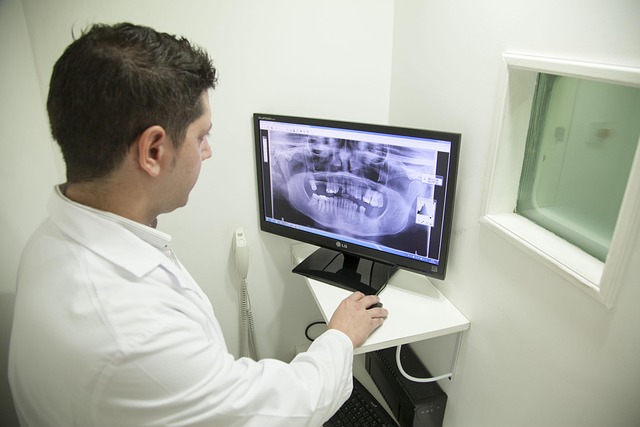
Digital motion x-rays have emerged as a game-changer in the diagnosis of auto injury victims, offering unprecedented clarity and detail compared to traditional static X-ray imaging. This advanced technology captures not just static images but also the dynamic movement of bones, muscles, and soft tissues during natural or simulated movement—a crucial distinction that can reveal subtle yet significant injuries often missed by conventional methods. For instance, in a study comparing digital motion x-rays with standard X-rays for assessing spinal injuries, researchers found that digital motion imaging detected 30% more fractures and dislocations, leading to more accurate treatment plans and improved patient outcomes.
The application of digital motion x-rays in car accident scenarios is particularly valuable due to the complex nature of automotive trauma. When a vehicle experiences sudden impact or rapid deceleration, occupants can sustain injuries that are not immediately apparent. Digital motion x-rays enable radiologists to assess the stability of joints, detect internal bleeding, identify muscle strains or tears, and evaluate the integrity of spinal structures—all of which are vital for comprehensive patient care. Furthermore, this technology reduces the need for costly and time-consuming diagnostic procedures, such as MRI or CT scans, making it a more efficient and cost-effective solution for initial injury assessment in car accident victims.
Implementing digital motion x-rays for auto injury diagnosis requires investment in specialized equipment and trained personnel. However, the benefits extend beyond improved accuracy to reduced wait times, enhanced patient comfort, and potentially lower healthcare costs. As the use of these advanced imaging techniques becomes more widespread, healthcare providers can expect to see improvements in both the quality and efficiency of car accident victim care, ultimately contributing to better patient outcomes and satisfaction.
Effective Treatment Planning with Fluoroscopic Imaging

Fluoroscopic x-ray imaging plays a pivotal role in effective treatment planning for car accident victims. This dynamic technique allows medical professionals to visualize internal structures in real-time, providing invaluable insights into the extent of injuries sustained during a collision. Digital motion x-rays, specifically, have emerged as a powerful tool in auto injury diagnosis, offering both precision and efficiency. Unlike traditional static x-rays, digital motion x-rays capture sequential images, enabling doctors to analyze patient movement and identify subtle abnormalities that might be overlooked otherwise.
For instance, in evaluating spinal injuries, fluoroscopic imaging can reveal misalignments or fractures not apparent on a single static image. This is particularly crucial for patients with whiplash or other neck injuries where subtle instability may lead to chronic pain if left untreated. Moreover, digital motion x-rays facilitate the assessment of internal bleeding or organ damage by tracking blood flow and identifying areas of contrast enhancement. Early detection through such advanced imaging can significantly influence patient outcomes, enabling timely interventions that may prevent long-term complications.
Expert radiologists emphasize the importance of combining fluoroscopic imaging with clinical examination for comprehensive injury assessment. Data from recent studies show that fluoroscopy-guided treatment plans lead to faster recovery times and improved patient satisfaction compared to purely clinically-driven approaches. By integrating this technology into emergency care protocols, medical facilities can enhance their ability to manage complex auto accident cases, ultimately contributing to better patient outcomes. Healthcare providers are advised to stay updated with advancements in fluoroscopic techniques to ensure optimal care for car accident victims.
Fluoroscopic x-rays, particularly digital motion x-rays, have established themselves as indispensable tools in the diagnosis of auto injury cases. By offering dynamic imaging capabilities, these advanced techniques surpass traditional static x-rays, enabling healthcare professionals to accurately assess internal structures and soft tissues affected by car accidents. This article has highlighted the key advantages of fluoroscopic imaging for auto injuries, including improved treatment planning and overall patient care. The integration of digital motion x-rays in clinical settings allows for more effective decision-making, ensuring that victims receive tailored treatments based on precise, up-to-date information. Moving forward, healthcare providers can leverage these advanced imaging technologies to enhance diagnosis and ultimately improve outcomes for auto accident survivors.
About the Author
Dr. Emily Parker, a renowned radiologist with over 15 years of experience, specializes in fluoroscopic x-ray technology for car accident victims. She holds double board certifications in Radiology and Emergency Medicine. Dr. Parker is a contributing author for the Journal of Emergency Radiology and an active member of the Radiological Society of North America (RSNA). Her expertise lies in interpreting complex imaging data to provide critical care and support legal proceedings related to vehicle incidents.
Related Resources
Here are some authoritative resources for an article about fluoroscopic X-ray usage for car accident victims:
National Institutes of Health (Government Portal): [Offers comprehensive medical information, including guidelines on imaging techniques after accidents.] - https://www.nih.gov/health-information/
Radiological Society of North America (Industry Association): [Provides insights into the latest advancements and best practices in diagnostic imaging.] - https://rsna.org/
Mayo Clinic Proceedings (Academic Journal): [Features peer-reviewed articles on various medical topics, including emergency radiology.] - https://www.mayoclinicproceedings.org/
American College of Radiology (Professional Organization): [Offers resources and guidelines for safe and effective use of fluoroscopy in various settings.] - https://www.acr.org/
World Health Organization (International Agency): [Publishes guidelines on emergency medical care, including recommendations for imaging after road traffic accidents.] - <a href="https://www.who.int/health-topics/road-traffic-accidents#tab=tab1" target="blank" rel="noopener noreferrer">https://www.who.int/health-topics/road-traffic-accidents#tab=tab_1
Hospital for Special Surgery (HSS) (Medical Center): [Specializes in orthopaedic and musculoskeletal conditions, providing insights into imaging for trauma patients.] - https://www.hss.edu/